Category: Philosophy
-
Five Rules for Questions That Approximate Truth
The ability to ask precise questions determines how close we get to understanding reality. Poor questions produce poor answers. This chapter presents five rules for constructing questions that lead toward truth rather than away from it. Rule 1: Make Your Questions Falsifiable Connor sat in his university library in 2018, reading about the replication crisis…
-
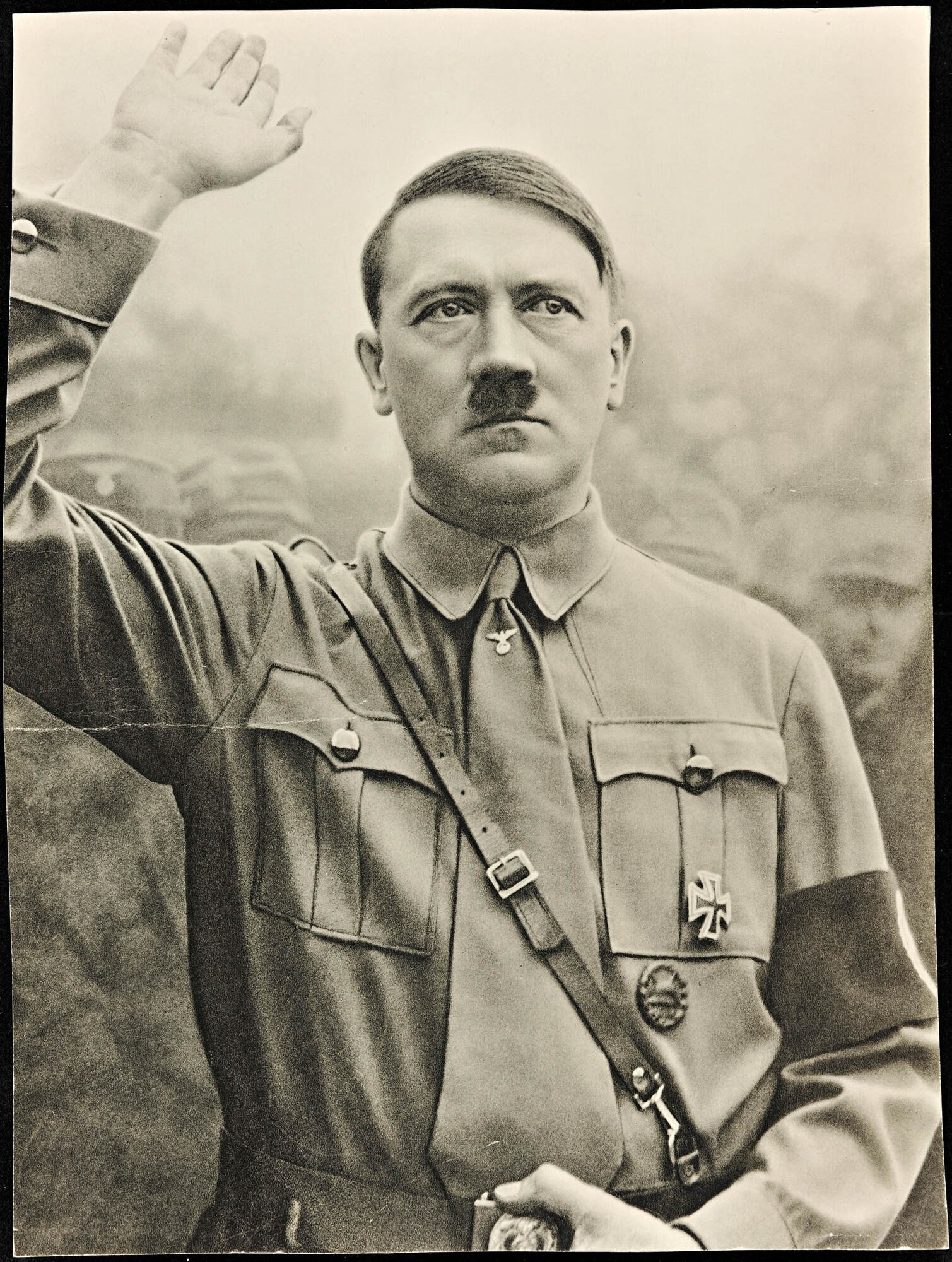
Hitler’s philosophy of Evil
In Nazi ideology, antisemitism drew heavily on disgust-based imagery. Jews were depicted as vermin, parasites, or infectious agents. Hitler himself, in Mein Kampf, referred to Jews as “parasites” and “bacilli” that “infect the body of nations.” This rhetoric reframed genocide as an act of purification rather than aggression. Once a group is perceived as a…
-
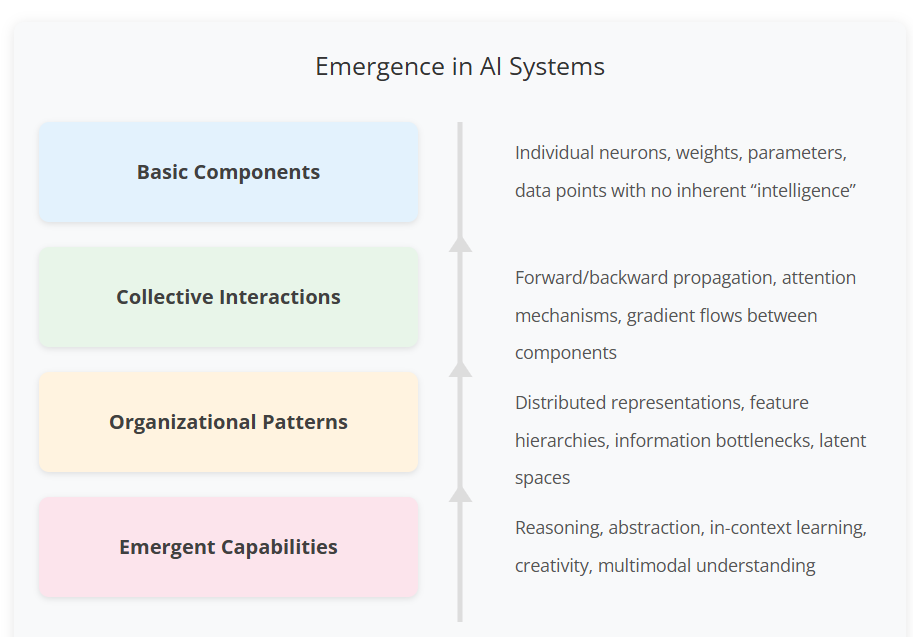
Emergent Structures in AI and how body becomes mind
How does mindfulness emerge from mindless matter? How do billions of neurons firing in patterns, or millions of artificial parameters in a neural network, give rise to understanding, consciousness, and meaning? This transition from body to mind, from physical substrate to mental experience, represents one of the most fascinating frontiers in both philosophy and artificial…
-
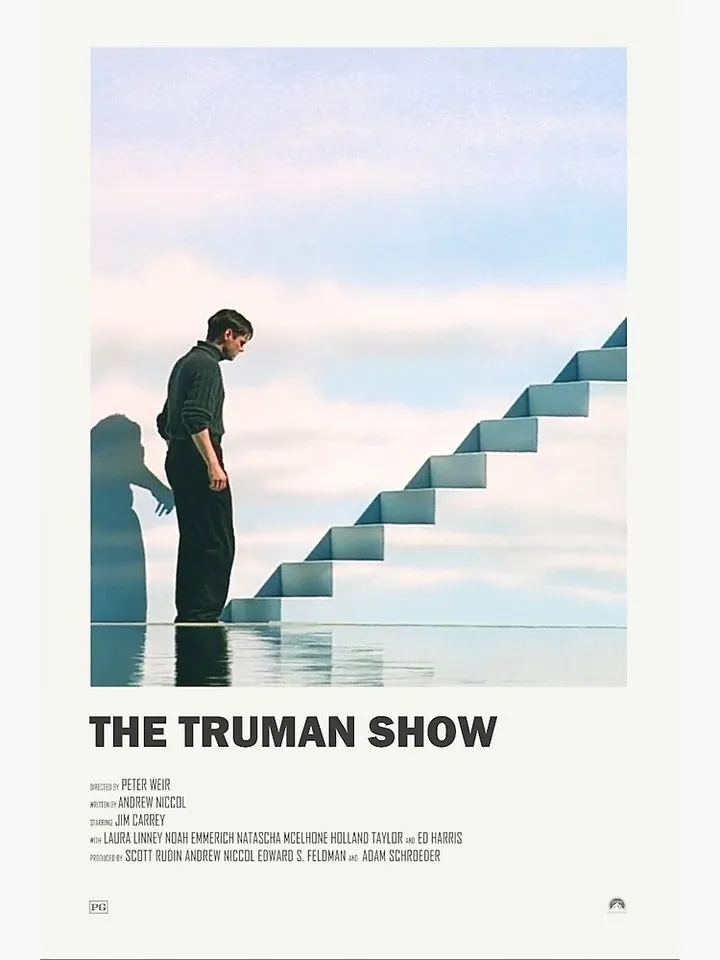
A true man: The Truman Show
For me, The Truman Show speaks to a fundamental paradox within us: the desire for truth, the fear of it, and the strange comfort we find in illusions. It explores not just deception, but what it means to live a life that feels empty—until something real pierces through.
-
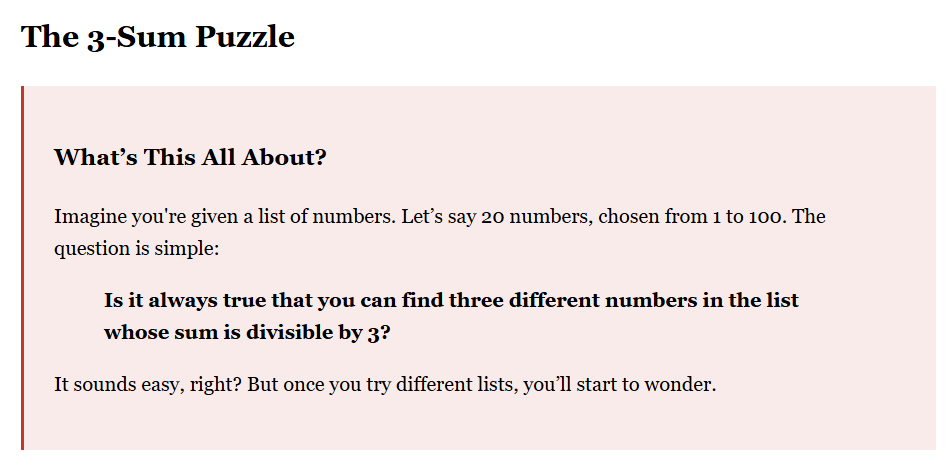
The 3-Sum Puzzle
What’s This All About? Imagine you’re given a list of numbers. Let’s say 20 numbers, chosen from 1 to 100. The question is simple: Is it always true that you can find three different numbers in the list whose sum is divisible by 3? It sounds easy, right? But once you try different lists, you’ll…
-

My Sickness saved my life- the Region Beta Paradox
When things get bad, you should hope for even worse times according to social science
-

Legal Reasoning and the Roe v. Wade Decision: Exploring the Intersection of Law and Morality
The case of Roe v. Wade (1973) is a seminal moment in U.S. legal history, epitomizing the complex interplay between legal reasoning, constitutional interpretation, and moral values. At its core, Roe v. Wade addressed the deeply contentious issue of abortion and the constitutional right to privacy, ultimately legalizing abortion nationwide and establishing a landmark precedent…
-
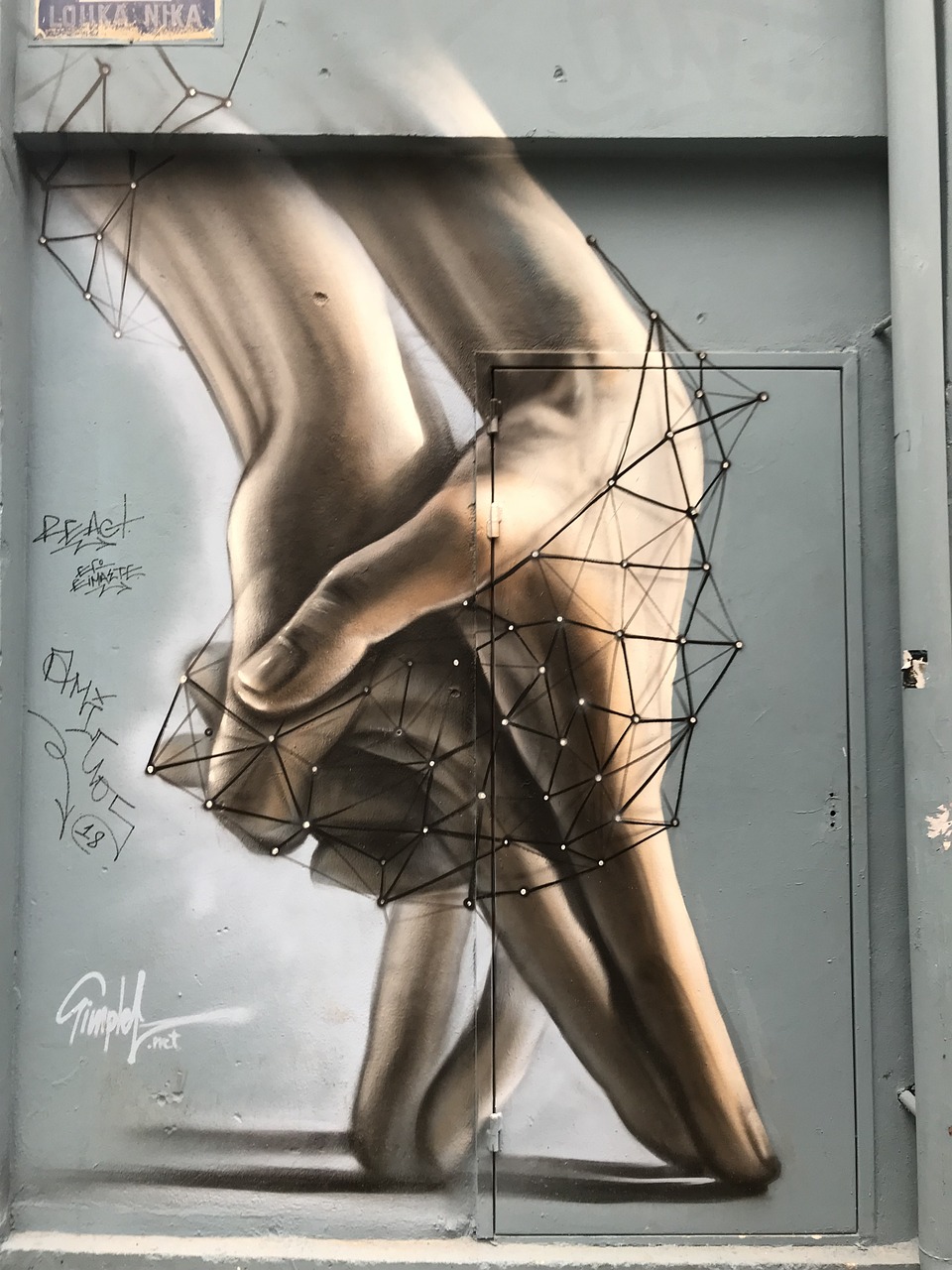
AI is not creative, it is just good at recycling
Can machines truly be creative? Some argue yes, pointing to AI-generated art, music, and literature. However, upon closer examination, it becomes apparent that the creativity exhibited by AI is merely a permutation of existing information rather than genuine innovation. True creativity, as exemplified by pioneers like Isaac Newton, involves the generation of new knowledge to…
-

Platonic-romantic relationships: That one dating category no one ever heard about.
Platonic relationships offer some advantages for people struggling with emotionally connecting to people, especially the other sex. However, most people never heard of platonic relationships or dismiss it rather quickly as “not for them”. That’s wrong and here’s why:
-

Live Forever- could we upload our brain into a computer?
Theories of consciousness that promise humanity eternal life. Esoteric or Future?
-
The Science of getting rich. Wallace D. Wattles.
Everyone can, if he tries? I am not sure about that. I just started reading the book called “the Science of getting rich” by writer Wallace D. Wattles and he made an interesting thesis at the beginning of the book. “There is a science of getting rich, and it is an exact science, like algebra…
-

The danger of AI: Does no one want to talk about the children?
Children get in contact with AI through many things. AI systems are “embedded in toys, virtual assistants, video games, and adaptive learning software”. Children are on social media and algorithms determine what they watch, what products are advertised to them, and how they regard sexuality, race, and religion.
-
What is the sense of life? IT’S OBVIOUS!
Depression often correlates with nihilism, an attitude of seeing no sense, virtue, or meaning in anything. Not even in life, and that can sometimes become dangerous. But it is lunacy and an utterly false assumption to claim there is no sense of life. We just have to think less complex about it. I make a…