Science, philosophy, and controversy
-
Weißer Gang
Ich gehe durch die Stadt. Der Winter greift nach meinem Gang, zieht mich in seinen Takt, macht jeden Schritt ein wenig lang. Armut lehnt in Türen, Reichtum glänzt durch Glas — zwei stumme, klare Führer, zwei Schatten, die ich nie vergaß.
-

Wintersehnsucht
Das heiße Sonnenlicht entflieht dem Land, heißer Tee und Wein erwärmen meine Hand. Kalt liegt Eis auf Bank und Weg, doch mein Herz folgt einem anderen Steg. Nicht nach Wärme sucht mein müder Blick – die Kälte zieht mich zu sich, Stück für Stück. Ein Schatten, den der Winter mir gebracht, bewohnt noch immer meine…
-
Weekly Problem: Arithmetization
🔢 Arithmetization: Encoding Logic as Numbers Transform mathematical formulas into unique numbers using Gödel numbering 1 Enter a Formula ℹ️ What is Arithmetization? Arithmetization is a technique that assigns unique numbers to mathematical symbols and formulas. This allows us to treat statements about mathematics as mathematical objects themselves! This concept is crucial in proving Gödel’s…
-
Weekly Problem: Knitting Patterns
Knitting Patterns: Turing Completeness and Computational Textiles Knitting Patterns as Computational Systems: Turing Completeness in Textile Production An exploration of the formal computational properties of knitting pattern languages The relationship between knitting patterns and computational systems extends beyond superficial analogy. Recent work in theoretical computer science has demonstrated that certain classes of knitting patterns constitute…
-
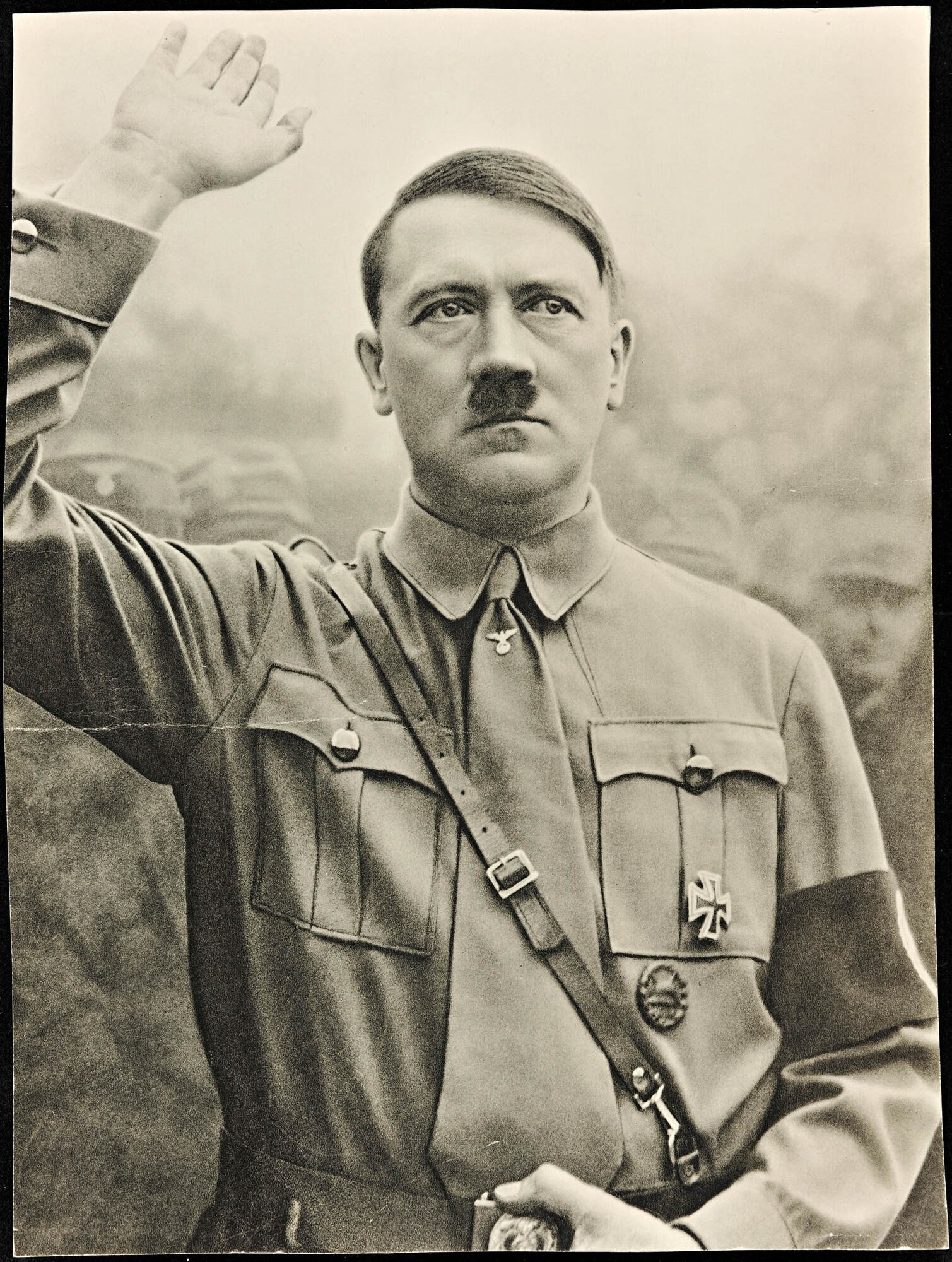
Hitler’s philosophy of Evil
In Nazi ideology, antisemitism drew heavily on disgust-based imagery. Jews were depicted as vermin, parasites, or infectious agents. Hitler himself, in Mein Kampf, referred to Jews as “parasites” and “bacilli” that “infect the body of nations.” This rhetoric reframed genocide as an act of purification rather than aggression. Once a group is perceived as a…
-
Weekly Problem: The Grid
Consider a 4×4 grid where each cell can be either selected or not selected. Two cells cannot both be selected if they share an edge (top, right, bottom, or left).
-
Weekly Problem- Let’s get complex
Consider this sequence: 1, 3, 7, 15, … Each number seems to follow a simple rule, but there’s something magical happening when we look at their binary representations. This sequence demonstrates how simple patterns create complex constraints – a fundamental concept in complex systems.
-
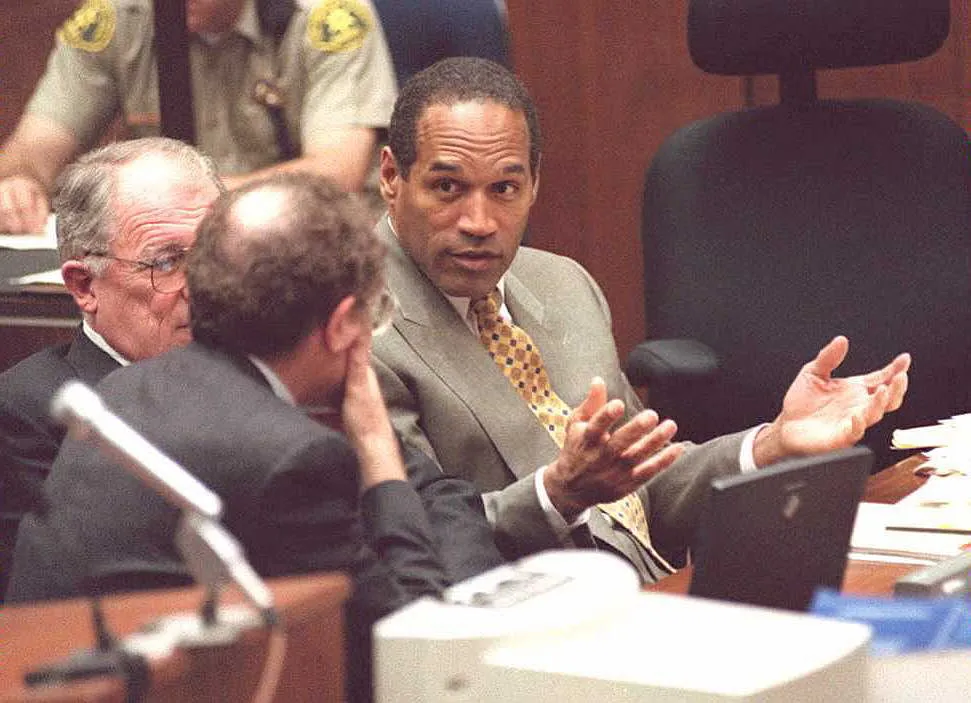
When Pain Shapes Politics: On Discrimination, Protest, and the Risk of Misplaced Anger
It’s about how personal and collective pain—often valid and justified—sometimes spills over into debates where it clouds our ability to judge clearly. I see this pattern in feminist debates, in discussions about universities or the military, and very strikingly in the infamous O.J. Simpson trial.
-
Weekly Problem: Balls into Bins
Probability theory: Throwing balls into bins Imagine you’re at a carnival game where you’re blindfolded and asked to throw balls into bins. Simple enough, right? But here’s where it gets interesting: this simple game is actually a powerful model for understanding everything from how websites handle traffic to how computers store data. What’s Really Going…
-
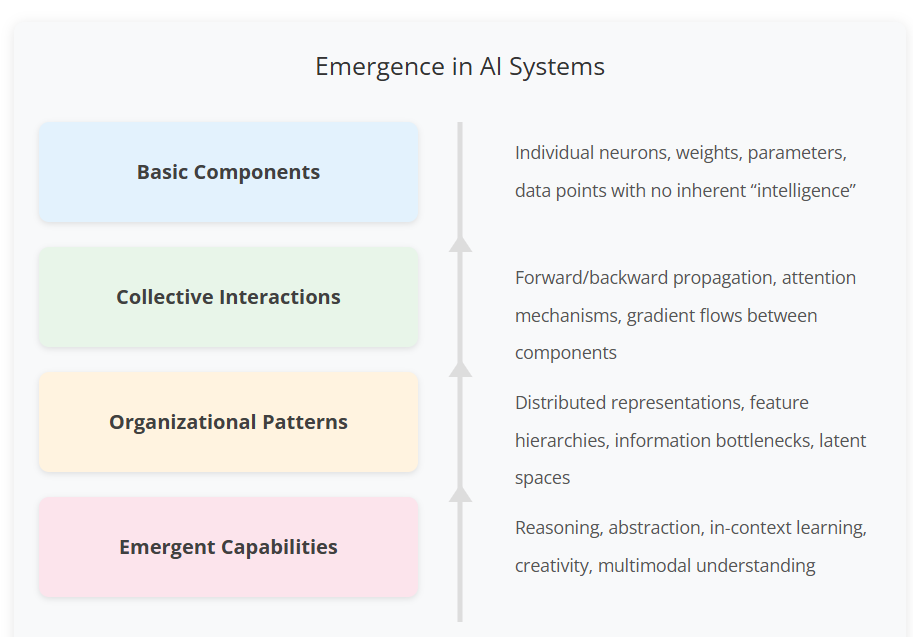
Emergent Structures in AI and how body becomes mind
How does mindfulness emerge from mindless matter? How do billions of neurons firing in patterns, or millions of artificial parameters in a neural network, give rise to understanding, consciousness, and meaning? This transition from body to mind, from physical substrate to mental experience, represents one of the most fascinating frontiers in both philosophy and artificial…
-
Weekly Problem: Traffic
You’re managing a busy intersection where cars arrive from the north and east. Each direction gets a 30-second green light. Your goal is to decide which direction should get the green light next to minimize the total waiting time
-
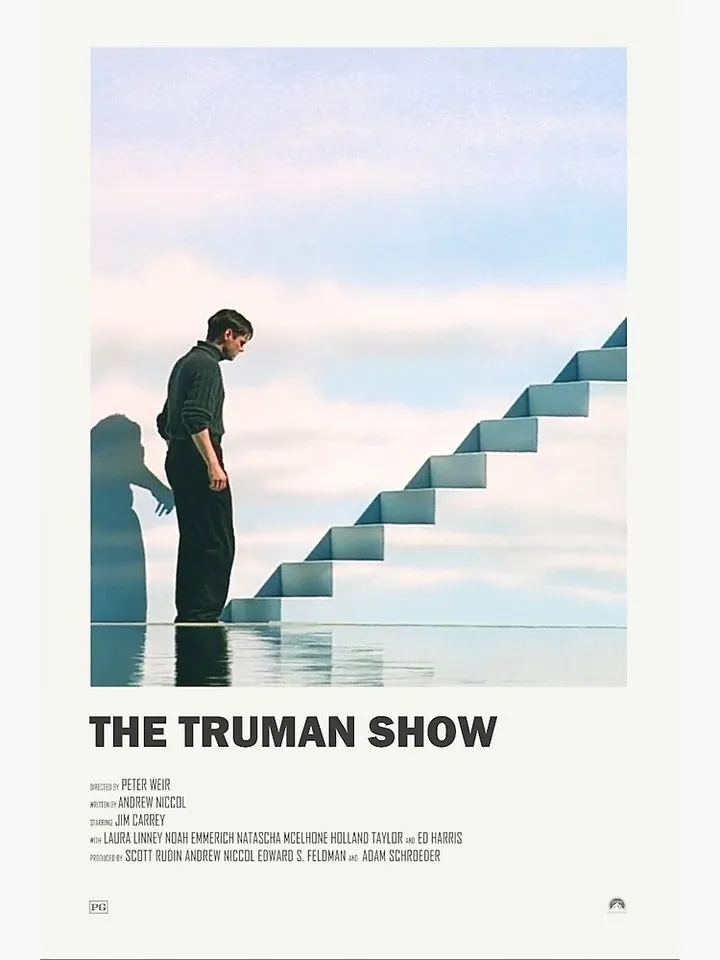
A true man: The Truman Show
For me, The Truman Show speaks to a fundamental paradox within us: the desire for truth, the fear of it, and the strange comfort we find in illusions. It explores not just deception, but what it means to live a life that feels empty—until something real pierces through.
-
Weekly Problem: Latin Squares
Weekly Problem: Latin Squares and Experimental Design The Mystery of Latin Squares A Latin square is a grid where each symbol appears exactly once in each row and column. Simple to describe, yet they hold deep mathematical mysteries and practical applications! A B C B C A C A B Part 1: The Basic Challenge…
-
Weekly Problem: The Card Sequence Problem
Problem Statement You have three cards numbered 1, 2, and 3. You shuffle them and place them face down in a row. Question: What is the probability that at least one card is in its correct position (i.e., card number matches its position)?
-
The 3-Sum Puzzle
What’s This All About? Imagine you’re given a list of numbers. Let’s say 20 numbers, chosen from 1 to 100. The question is simple: Is it always true that you can find three different numbers in the list whose sum is divisible by 3? It sounds easy, right? But once you try different lists, you’ll…
-
Solution to The Happy Ending Problem
What’s This All About? Imagine playing a game where you put dots on a piece of paper. The challenge is to find dots that can be connected to make different shapes. But there’s a catch – the shapes need to be “convex” (no dents or inward angles).
-
The Happy Ending Problem
Points, Patterns, and a Mathematical Love Story In 1933, a young mathematician named Esther Klein noticed something interesting about points on a plane. This observation led to a famous problem – and eventually to her marriage to another mathematician, George Szekeres. Hence, this became known as the “Happy Ending Problem”! This Week’s Challenge Basic Concept:…