Tag: Artificial Intelligence
-
Representation Learning in Artificial Intelligence and Neuroscience
What Is Representation Learning Representation learning refers to methods that automatically discover representations of data needed for feature detection or classification tasks [1]. In artificial intelligence, these methods learn transformations of raw input data into forms that make it easier to extract useful information when building classifiers or predictors. The core principle involves learning mappings…
-
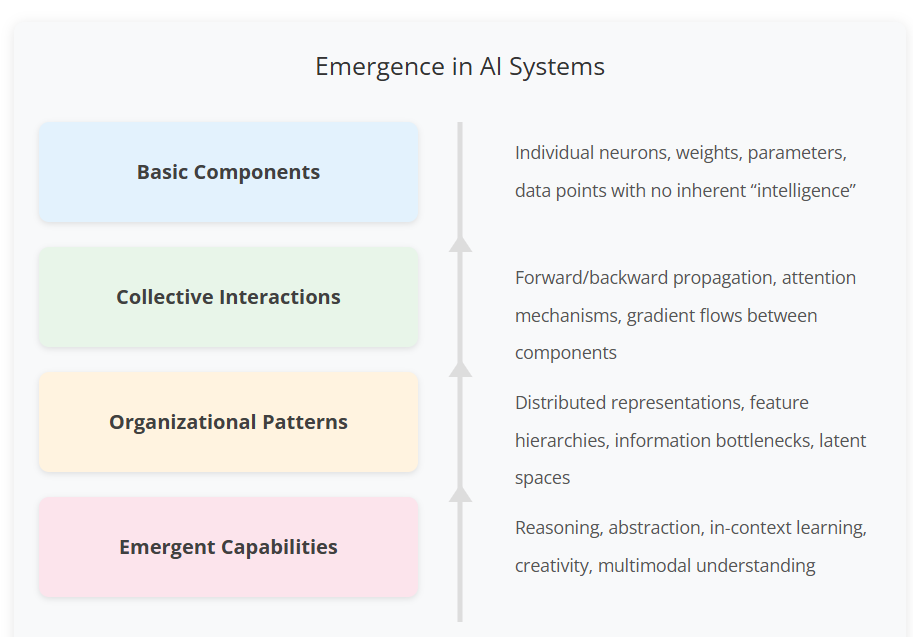
Emergent Structures in AI and how body becomes mind
How does mindfulness emerge from mindless matter? How do billions of neurons firing in patterns, or millions of artificial parameters in a neural network, give rise to understanding, consciousness, and meaning? This transition from body to mind, from physical substrate to mental experience, represents one of the most fascinating frontiers in both philosophy and artificial…
-

Have a Personal Website? Your Data May Be on These Dark Web Pages!
These sources are your place to check for data leaks Well, now that I’m starting my own business and slowly advancing my education and career, I plan to build a personal website. However, there are more things to consider than one may think. We often associate cyberattacks with large corporations or political targets, assuming personal…
-
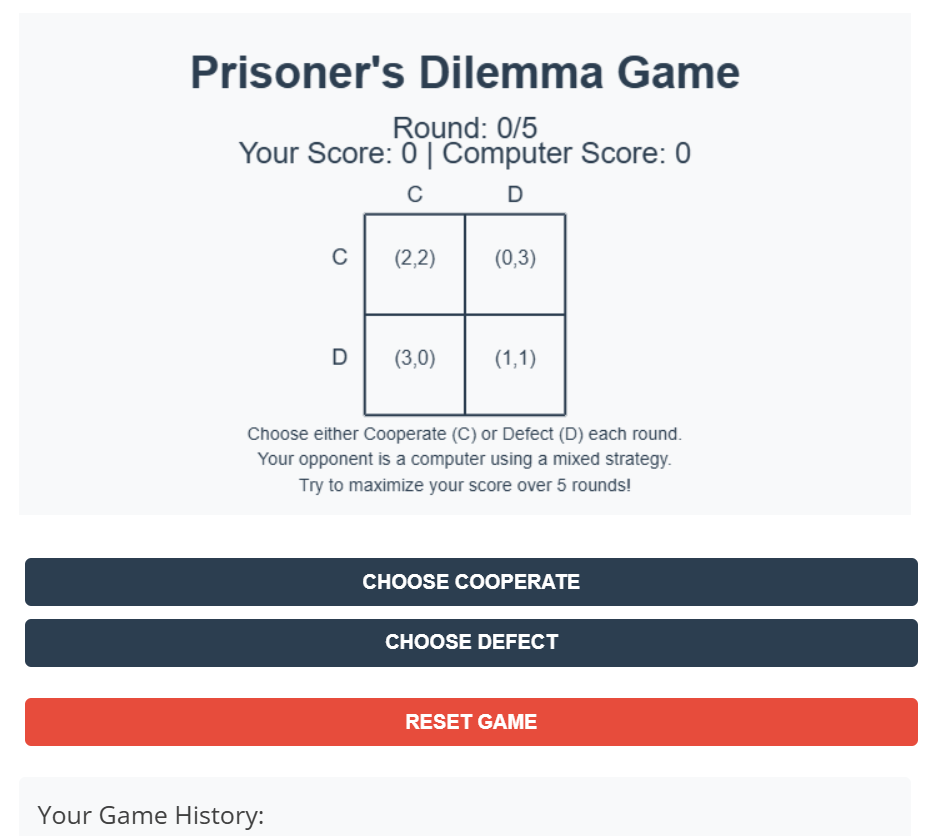
Weekly Problem No.10. The Repeated Prisoner’s Dilemma
The Prisoner’s Dilemma, first formulated by Merrill Flood and Melvin Dresher in 1950 and later formalized by Albert W. Tucker, represents one of game theory’s most profound insights into human behavior and strategic decision-making. The classic scenario unfolds as follows:
-
Weekly Problem no.9. The Simpson’s Paradox
Simpson’s Paradox: A Causal Inference Challenge by Yildiz Culcu The Medical Treatment Paradox You’re the lead researcher at a major hospital analyzing a new treatment for a chronic condition. Here’s the aggregated data from two hospitals over one year: Hospital Treatment Group Success Rate Total Patients Hospital A New Treatment 60% 200 Hospital A Standard…
-

AI will never replace human artists. Here’s why.
If you are a true art fan, you don’t value good sounds or colors but stories that are exclusive to the human experience.
-
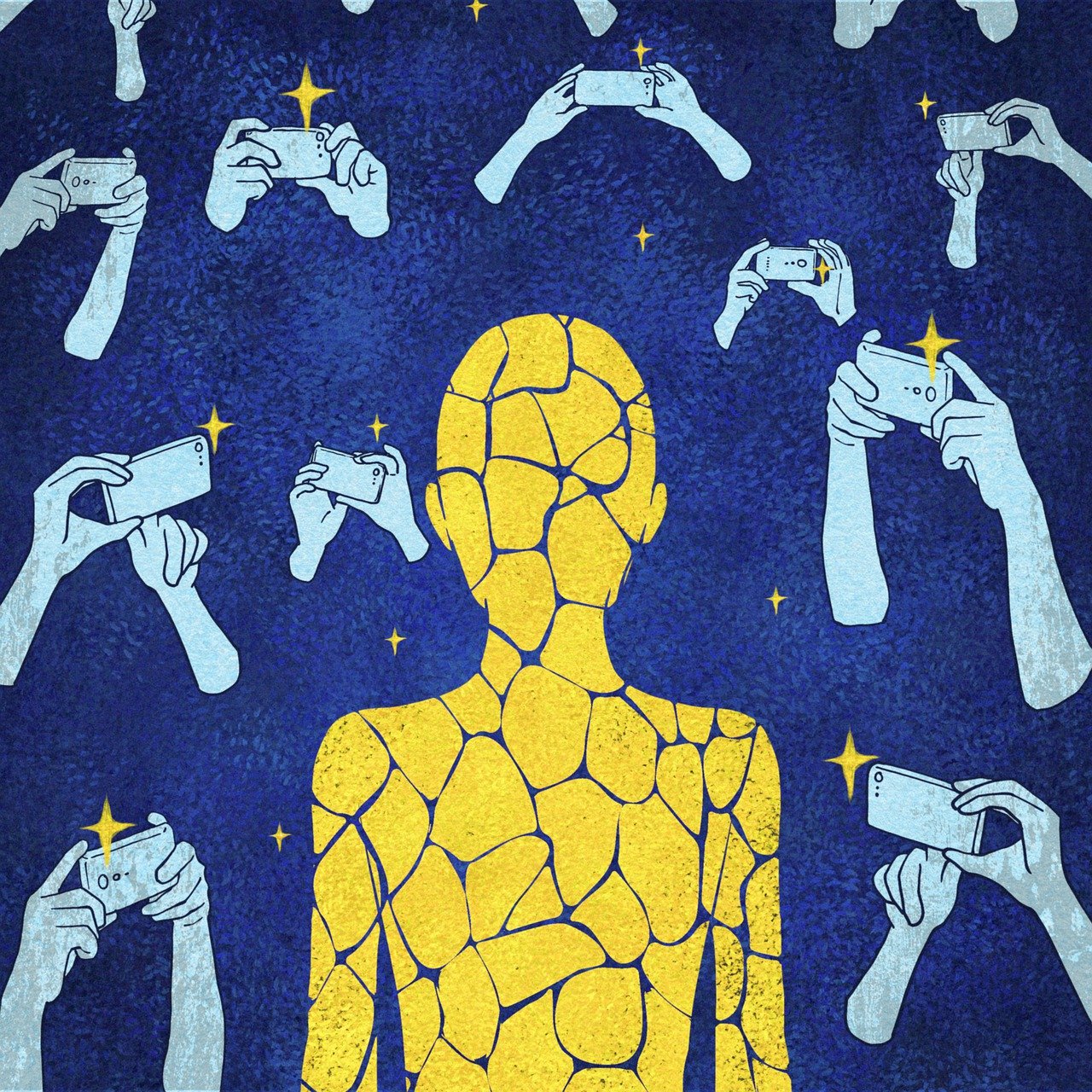
This cognitive bias is the reason people get misjudged, defamed and gaslighted
If you lack data, keep quiet. Here’s why. It’s like forming an opinion about a restaurant from one unsavory meal or questioning a medical treatment’s effectiveness due to a smattering of adverse outcomes. This phenomenon, known as “small sample bias” or the “law of small numbers,” can significantly distort our judgments and decision-making processes. It’s…
-

AI is not creative, it is just good at recycling
Can machines truly be creative? Some argue yes, pointing to AI-generated art, music, and literature. However, upon closer examination, it becomes apparent that the creativity exhibited by AI is merely a permutation of existing information rather than genuine innovation. True creativity, as exemplified by pioneers like Isaac Newton, involves the generation of new knowledge to…
-

Decision Theory and the Power of Counterfactuals
A Research team on Spotify develops a new ML model for decision-making using counterfactuals. Why that’s exciting! Self-driving cars, medical diagnosis, investment plans, and game theory are all applications of decision-making AI. Decision theory is the study of algorithms for correct decisions, but it comes with a few obstacles. Making the right decision is quite…
-
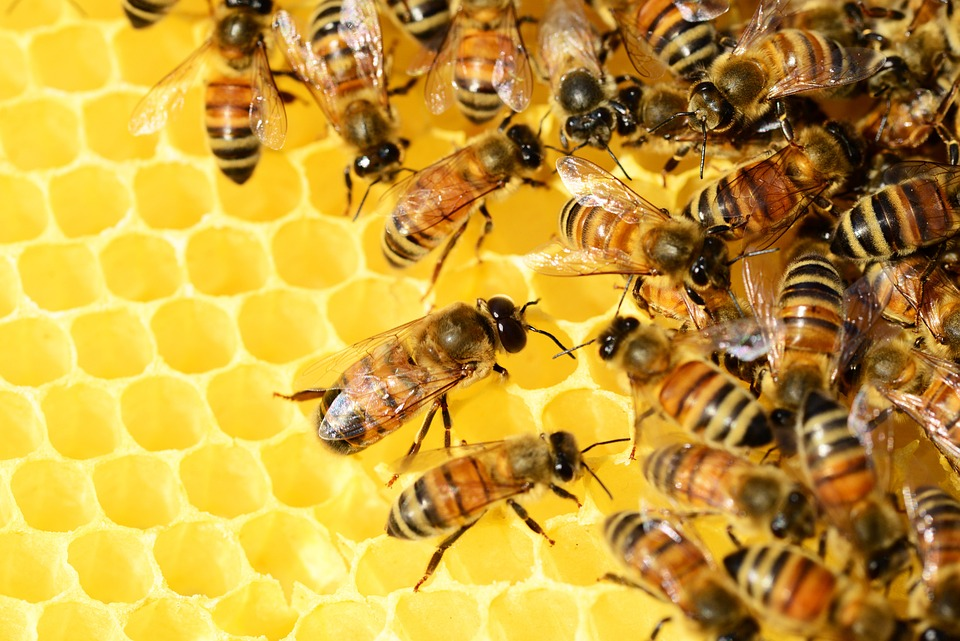
How AI and Robotics are Saving Bees
How AI and Robotics are Saving Bees Bees are essential to the Earth’s ecosystem as they provide pollination services that help grow the crops we depend on for food. Unfortunately, honeybee populations have declined in recent years due to environmental factors, diseases, and pests. To address this issue, researchers have turned to his AI and robotics…
-

When even AI tells you-you are unattractive!
The Role of AI and Pearson Correlation Coefficient” – Discover how artificial intelligence and cognitive psychology have enabled researchers to explore the relationship between ordinary and attractive faces. Learn how the Pearson correlation coefficient helps evaluate the strength of the linear relationship between different facial features and perceived attractiveness. Dive into the latest facial attractiveness…
-
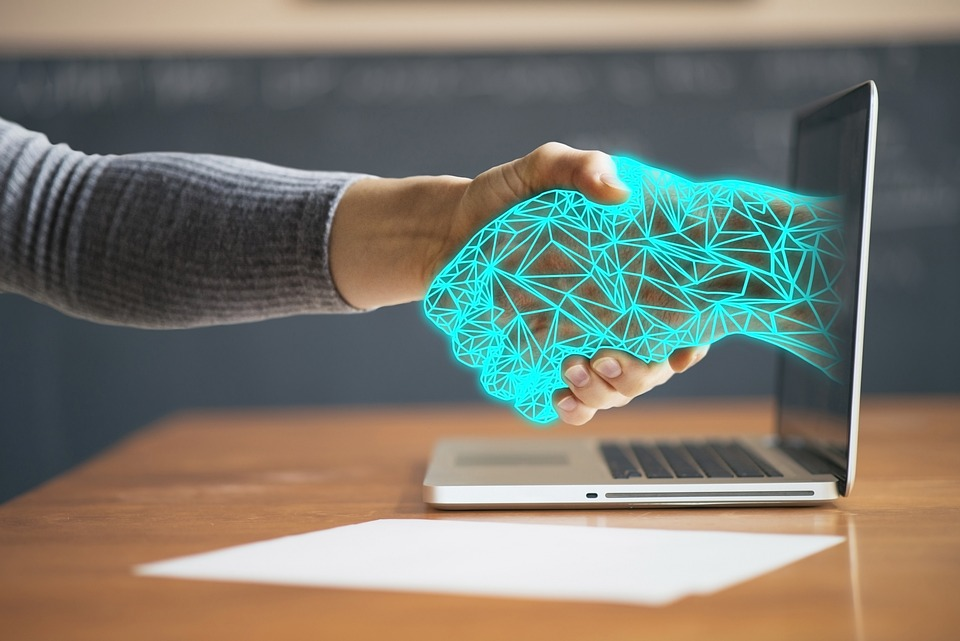
Robot helps children with learning disabilities
The potential for machinery and AI to benefit the public education system has grown substantially over the last few years. Here’s some progress we made: Do you remember your school time? Right, sorry I brought back this darkest of all time to you and if you still are a student, then I am sorry, friend.…
-

Live Forever- could we upload our brain into a computer?
Theories of consciousness that promise humanity eternal life. Esoteric or Future?
-
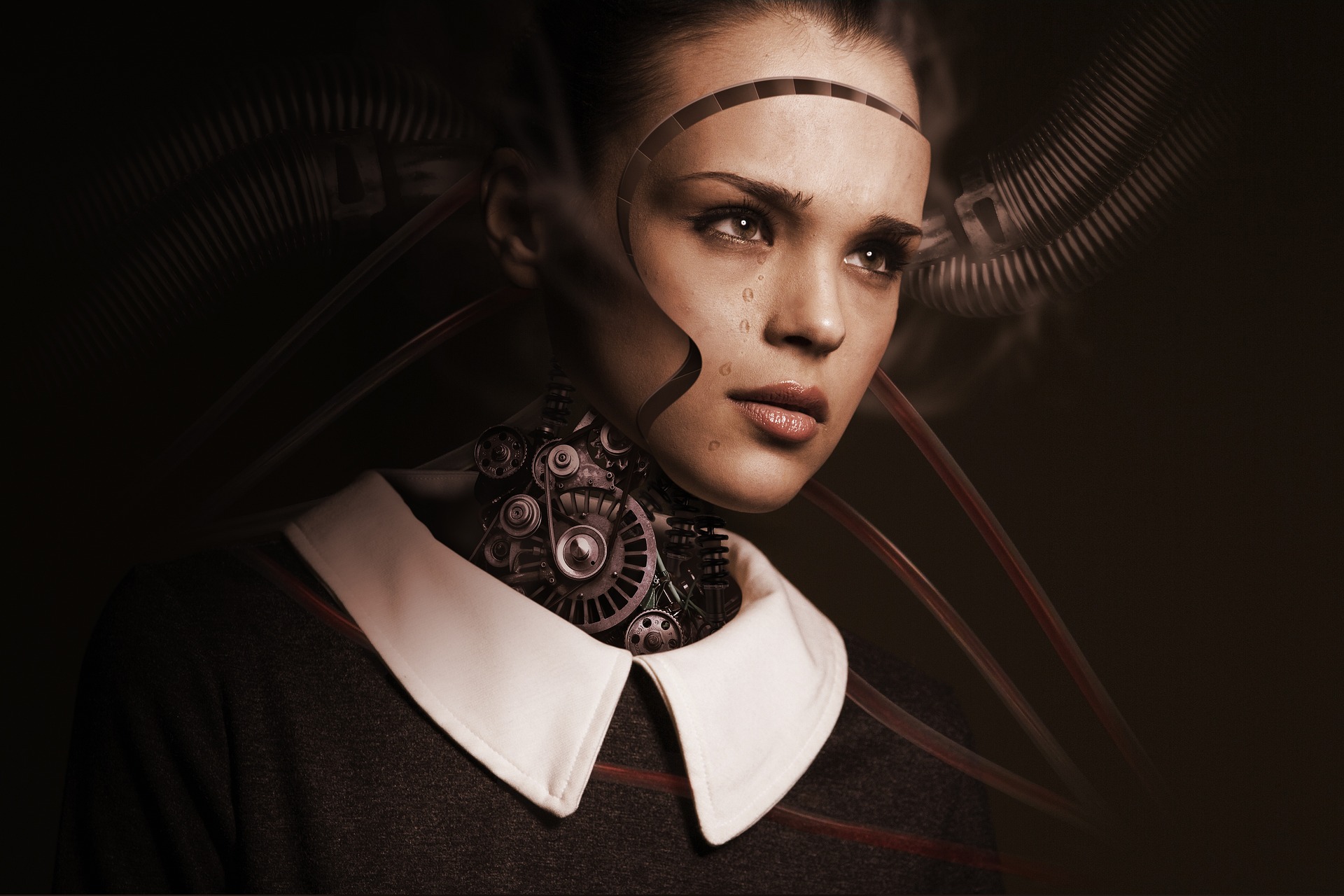
AI and Language- How NLP drives a new theory of Artificial consciousness
AI will become conscious by understanding language. Here is how: Did you ever ask yourself what exactly limits our mind or relatively our Understanding of things? Now, one argument is to say that the computational power of the human brain is not endless so we can’t make large calculations, not without the help of computers,…
-
Building a Forecast model
A forecast model is a mathematical or statistical tool that is used to predict future values of a variable or quantity based on past data. Forecast models are used in a wide range of applications, including business, finance, economics, and meteorology, to help make informed decisions about the future. There are many different types of…
-

Teachers replaced- Can AI give students feedback?
I work in a Research project that tests AI in schools. It could give students the opportunity to have fair assessment, but there are some obstacles…
-
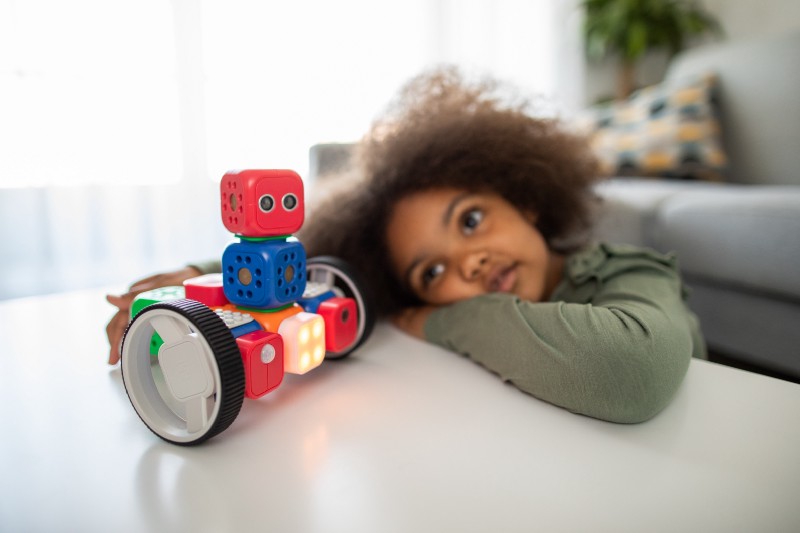
The danger of AI: Does no one want to talk about the children?
Children get in contact with AI through many things. AI systems are “embedded in toys, virtual assistants, video games, and adaptive learning software”. Children are on social media and algorithms determine what they watch, what products are advertised to them, and how they regard sexuality, race, and religion.